






Recovery is an essential part of any training program, especially for bodybuilders. Without proper rest, you cannot achieve your fitness goals, whether it is building muscle or losing weight.
But recovery doesn’t always mean doing nothing, as most weightlifters think. There are two main types: active recovery and passive rest.
Passive rest involves no physical activity, just sleep or relaxation. It’s necessary after intense sessions or injury. However, doing absolutely nothing every time you’re sore isn’t always the best solution. That’s where active recovery comes in.
Active recovery involves light movement that helps your body recover without stressing it further. This could be a slow walk, a swim, yoga, or even a light cycling session.
To learn more about active recovery, this guide discusses the differences between active and passive recovery, highlights the benefits, shares ideal recovery activities, and provides a step-by-step guide to a weekly recovery plan.
What is Active Recovery vs Passive Rest
Active recovery is performing low-intensity movement following an intense workout. You can do this exercise between sets, during a workout when changing from one exercise to another, or as a post-workout supplement exercise. They keep you moving without stressing your muscles, leading to quick muscle recovery. Some of the active recovery exercises are walking, stretching, or light yoga.
Passive rest is the opposite of active recovery, involving complete stillness after an intense exercise. You focus on relaxation techniques, such as massage, sitting, sleeping, as well as hydration and nutrition. No physical activity is involved.
Both active and passive recovery methods are crucial in muscle repair and performance. According to studies, active recovery helps remove waste like blood lactate from muscles and boosts blood flow, supporting faster muscle repair, healing, and better performance.
An active recovery technique is suitable for bodybuilders and boxers; however, if you are injured or in great pain, avoid it.
Passive recovery, on the other hand, allows complete relaxation and repair; thus, you may use it when injured, ill, or extremely fatigued. It helps the nervous system reset and recharge.
Benefits of Active Recovery
Below are reasons you should consider adding active recovery activities to your training routine.
1. Improved Lactic Acid Clearance
During intense workouts, your body builds up lactic acid, which reduces workout performance by causing fatigue and soreness. Gentle active recovery movement, such as walking or light cycling, increases blood circulation with ample oxygen and nutrients. The increased circulation and nutrients work together to flush out lactic acid more quickly.
So, low-intensity movement helps your body reset and feel better sooner.
2. Boosts Mobility
Strenuous workouts like weightlifting can leave muscles tight and joints stiff, making it even difficult to move or exercise the next day. Without movement, this tightness can worsen over time.
Active recovery involving controlled, slow movements like yoga or stretching can keep joints lubricated and muscles lengthened. They also prevent connective tissues from becoming rigid.
Also, staying active on rest days helps maintain your full range of motion. This means you’ll move more freely and reduce stiffness, leading to lower injury risk during future workouts.
3. Enhances the Immune system
Intense resistance training or cardio spikes cortisol, a stress hormone. High cortisol levels temporarily suppress immune function by reducing white blood cell activity, making the body more vulnerable to infections.
Heavy training may also cause microtears in muscles, triggering inflammation. While this is part of the repair process, chronic or excessive inflammation can weaken immune defenses.
Light recovery activities like walking, yoga, or swimming reduce cortisol levels, allowing the immune system to function normally. Plus, active movement helps circulate lymphatic fluid, which clears toxins and transports immune cells throughout the body. Better circulation also delivers nutrients needed for repair and defense.
4. Performance gains
The production of lactic acid, which reduces training performance, is high when exercising. This happens as a result of decreased pH, which reduces the enzymes’ activities, nutrient transporters, and slows muscular contraction and energy production (ATP).
According to research, active recovery helps your body rebuild and get stronger. It improves muscle oxygenation and nutrients. It also maintains muscle activation. That means you can bounce back quicker for your next workout and train more consistently, which leads to faster results.
5. Prevents Injury
You are likely to experience tight, fatigued muscles that are more prone to strains and injury. Active recovery helps keep muscles loose and responsive.
By moving gently, you reduce joint stiffness and improve flexibility. Low-intensity motion also increases circulation, bringing nutrients to healing tissues. This process supports tissue repair and lowers injury risk.
Regular recovery sessions also prevent overtraining, a significant cause of injury.
6. Improves Mental health
Intense workouts, while beneficial for physical gains, it is sometimes believed to suppress your mental well-being. Pushing the body to its limits repeatedly without proper recovery leads to chronic fatigue, hormonal imbalances, and elevated stress levels.
Active recovery helps counter these adverse effects by promoting relaxation and mental clarity. Gentle activities like walking, swimming, or yoga stimulate the release of endorphins, a natural mood booster that keeps you motivated and energized without overwhelming the nervous system.

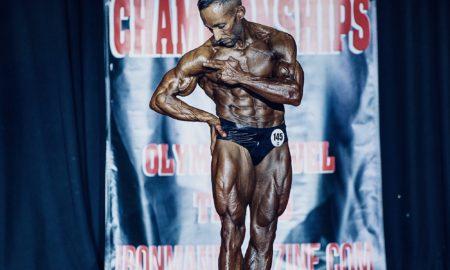
A muscled adult athlete in a studio wearing black pants
Best 8 Active Recovery Activities for Bodybuilders
Here are the best recovery activities that can help you with muscle recovery
1. Walking
Walking is the easiest and most accessible low-impact activity involving the whole body, usually done at a moderate pace. Just 20–30 minutes of walking on a flat surface at your relaxed pace can yield significant benefits.
It increases blood circulation, which helps flush out metabolic waste from sore muscles. It also promotes joint mobility, reduces stiffness, and helps the body relax without adding strain.
Do 15–45 minutes at a leisurely to moderate pace. Ideal for rest days or after intense workouts.
2. Swimming
Swimming is a full-body, low-impact exercise that is gentle on joints.
When swimming, water supports your body weight, reducing stress on joints. It also offers natural resistance, which helps with painful joint mobility and relieves tightness. Plus, it reduces inflammation and encourages an active range of motion.
Swim for 20–30 minutes at a light pace or try water aerobics. Focus on relaxed strokes and breathing, not speed.
3. Yoga
Yoga involves stretching, breathing, and mindfulness postures that focus on balance, flexibility, and relaxation. This active recovery activity increases flexibility by increasing the full range of motion, reduces muscle tightness, lowers stress hormones, and promotes recovery by stimulating the parasympathetic nervous system.
It also improves posture and mobility. Perform yoga for 20–40 minutes. Use gentle styles like Hatha, Yin, or Restorative yoga on recovery days or after strenuous workouts.
4. Foam Rolling
Foam rolling is a form of self-myofascial release, using a cylindrical foam roller to apply pressure to muscles. When applied, it breaks up muscle adhesions, improves circulation, relieves tightness, and reduces delayed-onset muscle soreness (DOMS). It also increases muscle elasticity and range of motion.
Do foam rolling for 5–10 minutes per session, focusing on 30–60 seconds per muscle group. Avoid rolling directly on joints or bones.
5. Tai Chi
Tai Chi is a slow, flowing martial art that combines movement, breathing, and meditation. It enhances balance, reduces stress, and improves muscle coordination. The slow movements gently activate muscles, aiding circulation and recovery without fatigue. It also calms the nervous system and supports mental clarity.
Practice Tai chi for 20–30 minutes. Ideal for morning or evening sessions on recovery days.
6. Cycling
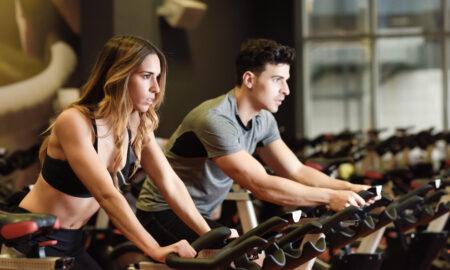
Cycling is a cardiovascular activity you can perform either indoors or outdoors. Light cycling increases heart rate just enough to boost circulation without stressing the muscles.
It helps flush out waste, reduce soreness, and improve leg mobility. It’s constructive after leg days. Cycle for 20–30 minutes at low intensity, keeping resistance light and cadence smooth.
7. Stretching
Stretching involves elongating muscle fibers to improve flexibility and reduce tightness. Stretches help restore normal muscle length, enhance range of motion, and reduce stiffness. It can also prevent injury and improve muscle relaxation post-training.
Perform stretches for 10–20 minutes after work. Focus on static stretches, holding each stretch for 20–30 seconds without bouncing.

Stretch to the right leg. Photo of gorgeous blonde woman in the gym at her weekend time.
Supplements to Support Recovery
Before reaching for supplements, it’s crucial to prioritize natural recovery through whole foods. Lean proteins, fruits, vegetables, healthy fats, and complex carbs offer everything your body needs to rebuild and recover. Supplements should only fill in the gaps, not replace a balanced diet. Here are some supplements that can support muscle recovery when used correctly:
- Creatine
- Protein shakes
- Magnesium
- Branched-chain amino acids (BCAAs)
- Omega-3 fatty acids
Sample Weekly Recovery Plan
Planning recovery is just as crucial as planning workouts. Below is a sample week incorporating active recovery.
Monday – Strength Training (Lower Body)
Finish with 10 minutes of walking and foam rolling.
Tuesday – Active Recovery
A 30-minute walk followed by 15 minutes of gentle yoga.
Wednesday – Strength Training (Upper Body)
Cool down with 10 minutes of light cycling.
Thursday – Active Recovery
Light swimming or water aerobics (30–45 minutes).
Friday – High-Intensity Interval Training (HIIT)
Follow with foam rolling and stretching (15 minutes).
Saturday – Active Recovery
Tai Chi or light yoga (20 minutes) + leisure walk.
Sunday – Passive Rest
Complete rest. Focus on hydration, sleep, and good nutrition.
Conclusion
Active recovery isn’t just for athletes. It’s for anyone who wants to feel better, move better, and stay healthy. It keeps the body in motion without adding stress, helps muscles heal, joints remain loose, and minds unwind. Without it, your efforts can plateau or even backfire.
Add intentional active recovery activities to your weekly schedule. Whether it’s walking, yoga, or stretching, your body will thank you. Pair activity with good nutrition and smart supplementation. This balance will elevate your performance and prevent burnout.













You must be logged in to post a comment Login