






Longevity is no longer just about adding years to your life. For lifters, it is also about maintaining strength, independence, and a body that still feels capable decades from now.
As much as you want to live long, some conditions are inevitable as you age. For instance, sarcopenia, a natural and gradual loss of muscle and strength, is believed to start in your 30s to 40s and becomes more noticeable around the age of 60.
Fortunately, you do not have to accept this outcome. With the proper diet and smart training, you can live longer while protecting your muscles. But what kind of diet actually supports longevity without sacrificing strength? This article explores how to eat for long life while preserving muscle.
Why You Need a Longevity Diet
As you age, many small physiological changes begin to accumulate. Your metabolism—the rate at which your body burns calories and fuels your muscles tends to decline naturally. This occurs due to hormonal shifts, reduced muscle mass, and subtle changes in how your body processes food.
A slower metabolism means the body burns fewer calories at rest, making it easier to gain fat and harder to maintain muscle if eating habits do not adapt. As a lifter, you might start gaining fat more easily, even if your diet and training haven’t changed.
Sarcopenia itself typically starts in your 30s to 40s, though its effects become more noticeable as you hit 50 and beyond. It’s caused by a combination of factors, including reduced physical activity, inadequate protein intake, hormonal shifts, and even inflammation.
If you leave it unchecked, sarcopenia can reduce your strength, make lifting more difficult, slow your recovery, and even limit your ability to perform everyday tasks like climbing stairs or carrying groceries. It significantly increases your risk of falls and injuries.
Bone density loss often occurs alongside muscle loss. As estrogen and testosterone levels decline with age, bones become less dense and more fragile. Reduced bone density increases fracture risk, which can significantly impair the quality of life and recovery in older adults.
With a longevity diet, particularly adequate nutrition that includes sufficient protein, calcium, vitamin D, and fibre, you can support muscle preservation, bone health, hormonal balance, and metabolic function.
How to Eat For Longetivity Without Losing Muscles
A longevity diet is more than just eating to live longer. It’s about fueling your body with plant-based food, healthy fats, and nutrient-dense meals. The foods you eat should support your muscles, bones, and metabolism while reducing inflammation, supporting recovery, and enhancing overall performance as you age. Here are some key steps and dietary approaches to follow:
1. Adapt the Mediterranean Diet
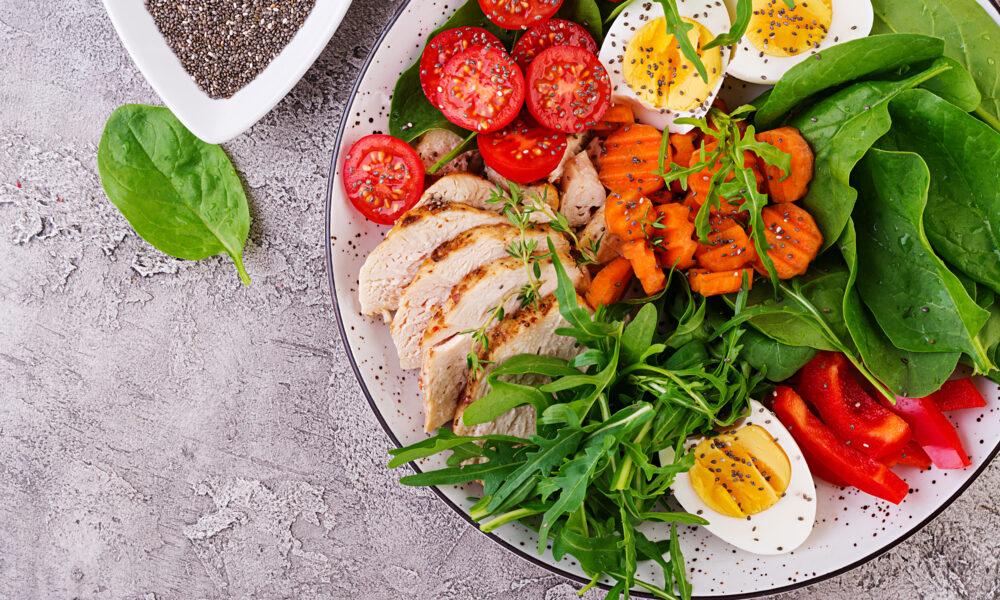
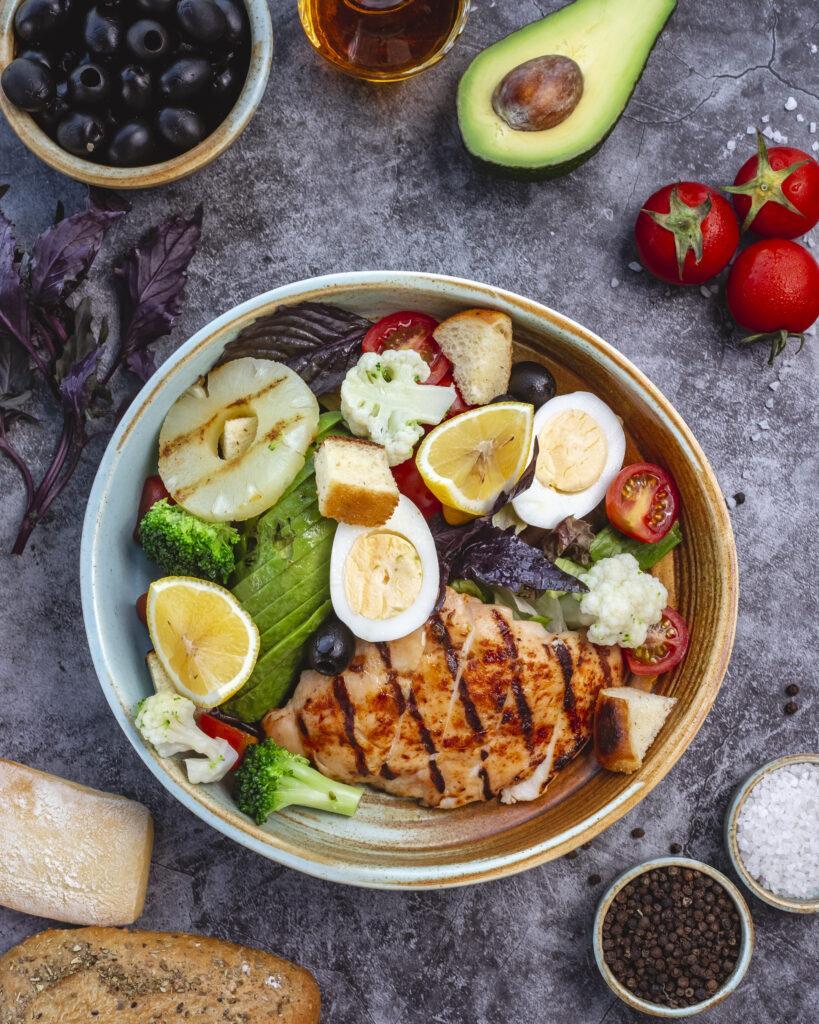
The Mediterranean diet originated from countries bordering the Mediterranean Sea, including Greece, Italy, and Spain. It emphasises fruits, vegetables, whole grains, legumes, nuts, olive oil, fish, and moderate dairy intake, while limiting red meat and processed foods.
For health-first lifters, this diet offers anti-inflammatory benefits, improves heart health, and provides antioxidants that support recovery. Its moderate protein intake and healthy, low-fat profile help preserve muscle mass while promoting longevity, making it an ideal framework for long-term strength and health.
Unlike the typical Western diet, which is high in refined foods and sugary drinks and linked to increased muscle loss, the Mediterranean diet, low in unhealthy fats and rich in high-quality protein, may help protect against sarcopenia.
2. Eat More Protein
Protein is the building block of muscle. When you lift weights, you create small microtears in your muscle fibres. Protein provides the amino acids needed to repair and rebuild these fibres, making them stronger and bigger over time. Without adequate protein, your muscles cannot fully recover or grow, no matter how hard you train.
As you age, your muscles become less responsive to protein and exercise (anabolic resistance)- the main contributors to sarcopenia. Consuming enough high-quality protein consistently throughout the day helps combat anabolic resistance, stimulate muscle protein synthesis, and maintain strength and muscle mass. Protein also regulates metabolism and prevents sarcopenia.
For longevity, aim for 1.6 to 2.2 grams of protein per kilogram of body weight daily, spread evenly across meals. Focus on high-quality sources such as lean meats, poultry, fish, eggs, and Greek yogurt, as well as plant-based options like lentils, chickpeas, and tofu.
3. Prioritize Vitamin D
Vitamin D supports bone strength, immune function, and muscle performance. Adequate vitamin D also helps prevent fractures and aids recovery from training stress.
As you age, your body produces less vitamin D, which has been linked to poorer muscle strength and function in older adults. Low vitamin D levels are also associated with a higher risk of sarcopenia, making it harder to maintain mobility, balance, and overall performance.
You can get Vitamin D naturally from sunlight exposure, fatty fish such as salmon or mackerel, and fortified foods. If dietary intake is insufficient, to support longevity, maintain serum vitamin D levels of 30–50 mL.
4. Include Leafy Greens
Vegetables like spinach, kale, and Swiss chard are packed with antioxidants, fiber, and micronutrients that combat inflammation and support recovery. They provide Vitamin K, calcium, and magnesium, which are essential for bone density and muscle contraction.
Eating a variety of leafy greens helps you stay lean, preserves muscle, and maintains overall metabolic health as you age.
5. Embrace Berries
Berries such as blueberries, strawberries, and raspberries are rich in polyphenols and antioxidants, which reduce oxidative stress in muscles and cells. They improve vascular health, enhance recovery, and protect against age-related metabolic decline.
Adding berries to your meals supports longevity and helps your muscles repair efficiently.
When choosing berries, choose darker-colored varieties because their deep pigments indicate higher anthocyanin content. Anthocyanins are potent antioxidants that combat inflammation, protect muscle fibers from oxidative damage, and support cardiovascular health.
6. Include Fatty Fish
Fatty fish like salmon, sardines, and mackerel supply high-quality protein and omega-3 fatty acids, which reduce inflammation and support heart and joint health.
Omega-3s also help preserve muscle mass in older adults and enhance recovery from strength training sessions. Eating fish two to three times per week strengthens your muscles and supports your overall longevity.
If you don’t enjoy eating fish, which is common due to its smell or taste, it is recommended that older adults take an omega‑3 supplement of a daily dose of about 1 gram (1,000 mg) of combined EPA and DHA to support overall health, muscle maintenance, and longevity.
7. Opt for Nuts and Seeds
Almonds, walnuts, chia seeds, and flaxseeds are nutrient-dense powerhouses, rich in healthy fats, protein, and fibre. They support hormone production, reduce inflammation, and provide sustained energy for training.
Regular inclusion of nuts and seeds helps maintain muscle while protecting your cardiovascular system for long-term health.
8. Include Whole Grains
Whole grains such as oats, quinoa, brown rice, and barley provide slow-digesting carbohydrates that fuel workouts without spiking blood sugar. They are also rich in B vitamins, fibre, and minerals that support metabolism, gut health, and recovery. Carbs from whole grains give your muscles the energy to perform optimally while promoting longevity.
9. Eat Legumes
Beans, lentils, and chickpeas are excellent plant-based sources of protein and fiber that help regulate blood sugar and support gut health. For lifters, legumes provide essential amino acids, improve satiety, and reduce inflammation, which together help preserve muscle mass and sustain long-term strength.
10. Incorporate Fermented Foods
Fermented foods like yogurt, kefir, sauerkraut, and kimchi provide probiotics that improve gut microbiome diversity. A healthy gut enhances nutrient absorption, reduces systemic inflammation, and supports muscle recovery.
Including fermented foods in your diet helps you age gracefully while maintaining both strength and metabolic health.

What Not to Eat for Longevity and Muscle Health
Just as important as what you eat is what you avoid. Certain foods don’t just slow short-term progress — they quietly increase inflammation, impair recovery, disrupt hormones, and accelerate muscle and bone loss over time. For lifters focused on strength and longevity, the following should be limited.
1. Highly Processed Foods
Packaged snacks, fast food, ultra-refined baked goods, and heavily processed convenience meals are typically high in refined sugars, industrial seed oils, sodium, preservatives, and artificial additives while being extremely low in fiber, micronutrients, and high-quality protein.
Regular consumption of these foods promotes chronic low-grade inflammation — a key driver of accelerated aging. Inflammation directly impairs muscle protein synthesis, hinders recovery between sessions, and increases joint stiffness. Over time, this inflammatory burden contributes to sarcopenia (age-related muscle loss) and metabolic dysfunction.
Highly processed foods also disrupt insulin sensitivity. When insulin sensitivity declines, your body becomes less efficient at shuttling nutrients like amino acids and glucose into muscle tissue. This means more calories are stored as fat and fewer are used for muscle repair and growth.
Long term, a diet high in processed foods increases the risk of obesity, cardiovascular disease, type 2 diabetes, and fatty liver disease — all of which significantly reduce lifespan and physical performance capacity. What feels like a harmless convenience choice today can compound into reduced strength, slower metabolism, and higher injury risk years down the road.
2. Excess Sugary Drinks
Soda, sweetened coffee beverages, energy drinks, fruit punches, and other sugar-loaded beverages deliver large amounts of rapidly absorbed sugar with virtually no nutritional value.
These drinks create repeated spikes in blood glucose and insulin. Over time, this constant metabolic stress contributes to insulin resistance — a major factor in abdominal fat gain, hormonal imbalance, and reduced muscle-building efficiency.
When insulin resistance develops, your body becomes less effective at using carbohydrates to fuel training sessions. Instead of being stored as muscle glycogen, more energy is redirected toward fat storage. This directly undermines body composition goals.
Excess sugary drink consumption is also strongly associated with a higher risk of cardiovascular disease and metabolic syndrome. For lifters focused on longevity, daily liquid sugar intake is one of the most counterproductive habits you can maintain.
3. Trans Fats and Hydrogenated Oils
Trans fats and partially hydrogenated oils, commonly found in fried foods, margarine, commercial pastries, and many shelf-stable processed snacks, are among the most damaging fats you can consume.
These fats increase systemic inflammation, raise LDL (“bad”) cholesterol, lower HDL (“good”) cholesterol, and significantly elevate cardiovascular disease risk. For aging athletes, cardiovascular health becomes increasingly important for training capacity and long-term vitality.
Chronic inflammation driven by trans fat intake also interferes with muscle recovery and connective tissue health. Elevated inflammatory markers are linked to increased joint pain, slower tissue repair, and reduced strength output.
Regular intake of hydrogenated oils contributes to arterial stiffness, reduced blood flow, and impaired oxygen delivery to working muscles — all of which limit performance and longevity.
4. Excess Alcohol
Occasional alcohol consumption is unlikely to derail progress. However, chronic or high alcohol intake has profound long-term consequences for muscle, bone, hormonal health, and recovery.
Alcohol directly suppresses muscle protein synthesis — the very process responsible for repairing and building muscle tissue after training. When this suppression becomes frequent, gains slow or stall despite consistent gym effort.
It also increases cortisol levels while lowering testosterone, creating a hormonal environment that favors fat gain and muscle breakdown. Over time, this hormonal disruption accelerates age-related muscle loss and increases abdominal fat accumulation.
5. Excessive Red Meat
Lean, minimally processed red meat can absolutely be part of a healthy, muscle-supportive diet. However, frequent overconsumption — particularly of processed or high-fat red meats such as sausages, bacon, and heavily marbled cuts — may increase systemic inflammation and cardiovascular risk.
Processed red meats are often high in sodium, preservatives (such as nitrates), and saturated fats. Chronic high intake has been associated with increased risk of heart disease, colorectal cancer, and metabolic dysfunction.
From a longevity standpoint, relying too heavily on red meat while neglecting plant-based protein sources can limit fiber intake. Fiber plays a crucial role in gut health, cholesterol regulation, blood sugar control, and inflammation reduction. Poor gut health, in turn, negatively affects nutrient absorption and immune resilience.
top view of healthy diet salad with grilled chicken broccoli cauliflower tomato lettuce avocado and lettuce SSUCv3H4sIAAAAAAAACpyRwW7DIAyG75P2DhHnRkrSREn6KtUOjqENKoUKyKap6rvPQKg474Y/27/9m+fnR1WxBZxEdqqeIaJYKrU5b8FLowk3h51bobmwJRFcemMlqBIu4HHVcBcE9aZUwK+YZM6D35xwYdiOELy4kkaCb4m00TnFVU7EJHVQirFDwdy2RJZREv9XZ3p8ZTdwFRp/48KFESuUgGTknErZ7ccLey+twcalKVx9GwQVCo6F0sNKlPpatBm/xivnNjSb9jas8N6cKWMesKhw4gtpisxXcI7KeebFIKQ/NfdijjY+GthVGaefCGF77Lq5a45T345zM4/DsBek31sl6cR1shDFeJO8tC7DBmzEmbdzj/WlW8a6H9umhnZqagHQIfbTgkNLh3/9AQAA//8DALR1d8qHAgAA
Conclusion
Eating for longevity and preserving muscle are not opposing goals. They are deeply connected. By prioritizing nutrient-dense foods, sufficient protein, healthy fats, and vitamin D, you support both strength and long-term health. Avoiding highly processed foods, excessive sugar, and chronic under-eating further ensures your muscles, bones, and metabolism remain resilient as you age.
To live longer while maintaining your muscles, focus on consistency over perfection. Small, sustainable choices, such as following a Mediterranean-style diet that includes a variety of vegetables and lean proteins, compound over time to preserve muscle, support recovery, and protect overall health.










You must be logged in to post a comment Login