





-
 The Ultimate Full Body Workout For Mass
How long has it been since you last pumped iron? Lifting is one of the ways you can improve strength, endurance,...
January 19, 2022 -
 How to Bulk on a Plant-based Diet
Vegetarian and vegan diets have been on the rise recently. A vegetarian diet is a type of diet that excludes animal...
December 31, 2021 -
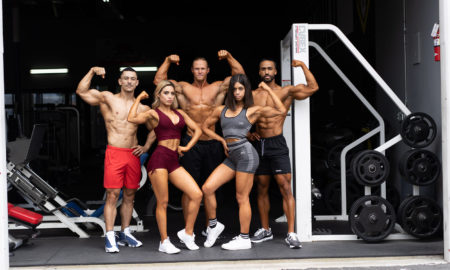 How To Get Bigger Muscles, While Also Staying Slim
Do you want to get bulkier muscles without losing your slim stature? You might be wondering if you can have the...
November 19, 2021 -
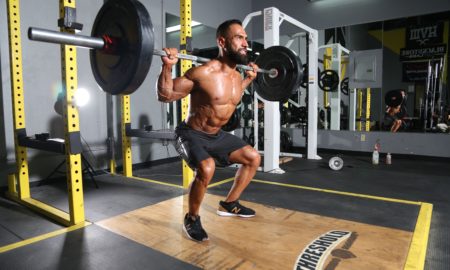 Looking To Build Bigger, Stronger, Bulkier Muscles? Here Is Why Creatine Could Be The Secret Key
Every bodybuilder would want to know the secrets to bodybuilding. While a bodybuilding training routine is a key strategy for building...
July 29, 2021 -
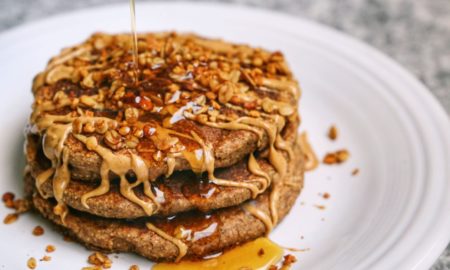 The Best Nut Butter To Implement Into Your Bodybuilding Diet
Protein powders, energy bars, vitamins, and supplements help with bodybuilding. However, athletes and bodybuilders must not forget to eat real foods....
July 23, 2021 -
 How To Create A Bodybuilding Diet That You Won’t Despise
Bulking and cutting are two phases that are necessary for every bodybuilder. The cutting phase involves consuming less than your normal...
June 7, 2021 -
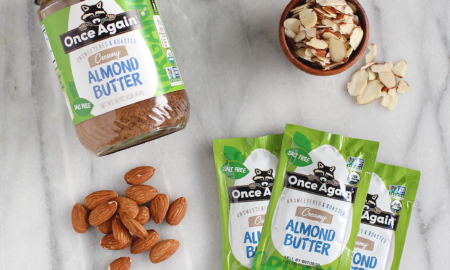 Bodybuilding Benefits of Nut & Seed Butters
For strength athletes looking to optimize performance during intense weightlifting and muscle-building sessions, protein powders and supplements are popular choices, but...
October 20, 2020 -
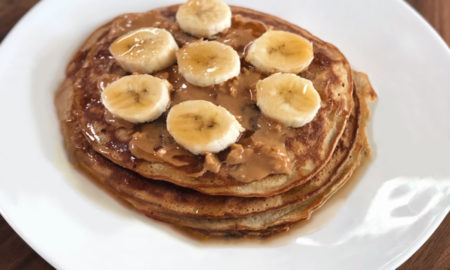 Banana Vanilla Protein Pancakes
Say goodbye to frozen waffles. We’ve got your new favorite high-protein breakfast option. In a Blender combine: 1/2 cup old...
April 26, 2019 -
 Ready-To-Drink Supplement Conundrum
Years ago, one of the biggest supplement scams was a ready-to-drink creatine serum. This was before it was widely known that...
October 25, 2018 -
 Carb Consumption
Just when you think you have carbs all figured out, more information comes to light. Conventional wis-dom has recommended tapering carb...
October 15, 2018 -
News Alert: Cutting Carbs
Cutting carbs is generally considered to be the fastest and most effective way to drop weight. It is also thought to...
April 12, 2018 -
 Debunking Fat Myths
We all want to look better, lose fat, and improve our fitness levels through the food we eat. However, many of...
April 2, 2018 -
 Berry Blast!
Make this shake for more power, greater gains and to boost your entire body into a muscle-building machine! By Maria Romano...
October 12, 2017 -
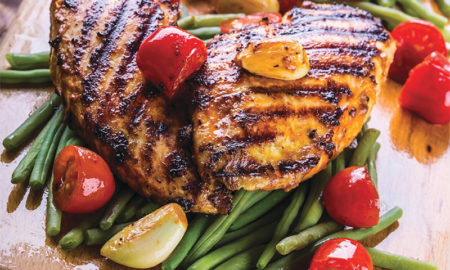 LEMON CHICKEN (GRILLED!)
Tired of the same old chicken? Try this new take on the old standard from the comfort of your grill. By...
October 11, 2017 -
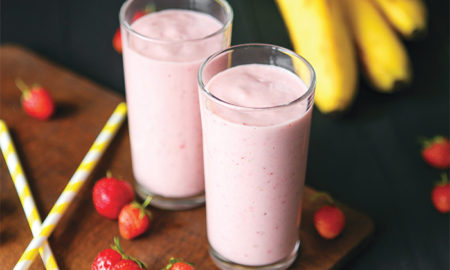 Your Go-To Power Shake
Boost your chance at gains as the summer comes to a close with this high protein, power-packed shake! By Maria Romano...
September 27, 2017
IN THIS ISSUE