





Bodybuilders use caffeine before a workout to have more energy, and most fat burners include some form of caffeine as a metabolic stimulant. New studies have also demonstrated that getting some caffeine after you train can enhance recovery and glycogen replenishment in muscle tissue. That’s why some postworkout formulas today contain caffeine. Now there’s more good news: Caffeine appears to have anticancer properties.
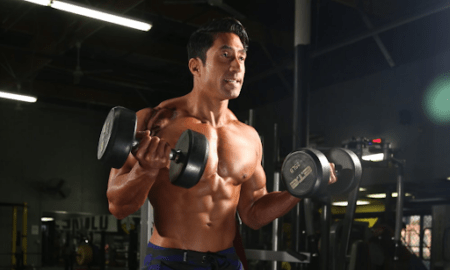
Getting some caffeine prior to exercise has been shown to protect against skin cancer. Scientists at Rutgers University exposed animals to harmful UVB radiation and found that pairing caffeine intake with exercise produced a fourfold ability to destroy skin cancer cells. Researchers believe that is due to the inhibition of ATR-1, a genetic pathway that prevents damaged cells from self-destructing, a.k.a. apoptosis. In other words, caffeine plus exercise forces damaged cells to commit suicide.
Both caffeine and exercise also help reduce bodyfat, which is where a lot of cancer-causing toxins reside. Of course, too much of either can have negative effects, so moderation is key.








You must be logged in to post a comment Login